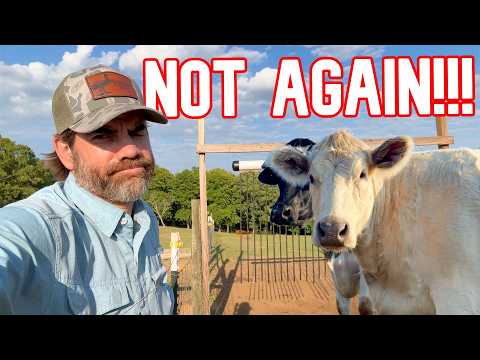
When Everything Falls Apart: How to Handle Unexpected Challenges
You've got a plan. You've researched. You've prepared. Then something unexpected happens and throws everything off track. This is reality. The difference between success and failure isn't avoiding problems. It's knowing how to solve them when they appear. Unexpected challenges are part of any project, whether you're gardening, raising animals, or managing your property. The key is staying calm, thinking through solutions quickly, and having the right tools and resources ready.
Identify the Root Cause Before You React
When something goes wrong, your first instinct is to fix it immediately. Stop. Take a breath. The fastest way to make a bad situation worse is jumping to solutions without understanding the problem.
Start by asking basic questions. What changed? When did it start? What was working before? Write down what you observe. Look for patterns. A chicken waterer that stops working might have a clog, a crack, or a faulty valve. A garden section failing could be soil issues, pest damage, or drainage problems. Each cause needs a different fix.
Document everything. Take photos or videos. This record helps you troubleshoot faster and prevents repeating the same mistake. If you run into a truly stubborn problem, you can always turn to local service professionals near you who have experience with similar issues.
Stock the Right Tools and Equipment Now
You can't solve problems without the right equipment. This is why preparation matters. Before disaster strikes, invest in quality tools and reliable supplies.
A heavy-duty garden tool set handles most yard and garden repairs. Quality tools last longer, work better, and make problem-solving faster. Don't cheap out here. A broken shovel in the middle of fixing a drainage issue costs you time and frustration.
For animal care, reliability is non-negotiable. A chicken waterer and feeder combo that fails leaves your birds vulnerable. Get a system with good reviews, proper capacity, and easy maintenance. Test it before you rely on it completely. Have a backup manual watering method ready.
For food preservation, invest in proven systems. A Ball Mason jar canning kit with proper instructions and equipment prevents spoilage and waste. Food safety isn't an area to cut corners.
Build Redundancy Into Your Systems
The best defense against unexpected challenges is building backup systems. Never rely on a single solution for critical needs.
Growing food? Get a heirloom seed vault with non-GMO varieties. Store seeds properly in cool, dry conditions. If one planting fails, you have seeds ready for the next season. You're never completely dependent on a single crop or supplier.
For water systems, have manual backup options. For power-dependent equipment, have hand tools available. For food preservation, understand multiple methods. Canning isn't your only option. Freezing, drying, and root cellar storage all work differently and protect you if one method fails.
Redundancy feels like overkill until the moment you need it. Then it's the difference between losing everything and losing nothing.
Learn From Every Problem
Once you've solved the immediate crisis, do a post-mortem. What caused it? Could you have seen it coming? What will prevent it next time? Keep notes on every challenge and solution. Build your own reference guide.
Talk to others facing similar work. Online communities and local gardening or farming groups share solutions constantly. Supporting local businesses in your community also connects you to experienced people who've already solved many common problems.
Every unexpected challenge teaches you something. That knowledge makes you more resilient next time.
Final Thoughts
Plans fail. Problems appear. This isn't failure. It's part of the process. You'll never figure it all out completely because conditions change, equipment fails, and nature surprises you. But with the right tools, good planning, proper equipment, and a problem-solving mindset, you handle whatever comes. Stay prepared. Stay calm. Keep learning.