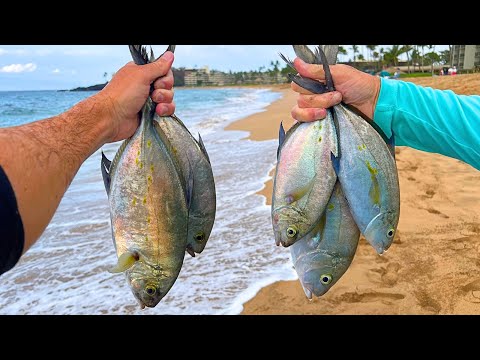
What You Need to Know About Loading Hawaiian Fish on a Boat
Loading fish on a Hawaiian fishing boat requires speed, proper handling, and the right techniques to keep your catch fresh. When you're out on the water, every minute counts. Fish need to be iced or placed in coolers immediately after landing. The goal is to prevent spoilage and maintain quality from the moment the hook sets until you reach the dock. Proper loading means better eating fish at home.
Essential Boat Fishing Techniques for Hawaiian Waters
Hawaiian fishing demands specific skills adapted to tropical waters and local fish species. The most effective technique is live bait fishing, where you keep small baitfish alive to attract larger predators like tuna, mahi-mahi, and grouper. You'll want to maintain steady boat positioning, use appropriate rod weights, and keep your lines properly tensioned.
Live fishing streams have made it easier to learn these techniques from experienced anglers. Watching real-time footage shows you how pros handle the rod, set the hook, and manage multiple lines simultaneously. The key is patience combined with quick reactions when a fish strikes.
Depth and current matter in Hawaiian fishing. Most productive fishing happens near reef structures, drop-offs, and current breaks where fish congregate to feed. Your boat positioning relative to these features determines success more than any other factor.
Fish Handling and Loading Best Practices
Once you've landed a fish, the clock starts ticking on quality. Proper handling begins the moment the fish comes aboard. Never squeeze the fish or apply pressure that damages flesh or removes protective slime coating. Use a wet glove or wet hands when handling to minimize damage.
Loading your boat cooler requires organization. Layer ice on the bottom, then alternate fish with ice as you load. Keep different species separated if possible, as some fish spoil faster than others. Pack ice around the gills and belly cavity where decomposition starts first.
A good cooler setup keeps ice from melting too quickly. Drain water regularly through the cooler plug to prevent fish from sitting in warm saltwater. This single step makes a massive difference in final fish quality.
If you plan to cook your catch at home, you'll want to know the proper internal temperatures. An instant-read meat thermometer helps you cook fish to safe doneness without overdrying the meat. Hawaiian fish cook quickly, so temperature monitoring prevents common cooking mistakes.
Preparing Your Catch for Cooking
After landing and loading your fish, cooking preparation starts with proper thawing if frozen. Most Hawaiian fish benefit from simple preparation that highlights their natural flavors. Grilling is popular, and having the right tools makes the process easier.
A quality BBQ grill tool set includes everything needed to handle fish safely on the grill without breaking delicate flesh. Look for sets with a fish spatula, long tongs, and proper spacing between utensils.
For smoking fish, a wood smoking chips variety pack gives you options to experiment with different flavor profiles. Hawaiian fish like mahi-mahi and ahi respond beautifully to subtle smoke flavors.
A cast iron skillet remains the best choice for pan-searing fresh fish. A pre-seasoned 12-inch cast iron skillet heats evenly and creates a perfect crust on fresh fillets while keeping the interior moist.
Learning From Live Fishing Experiences
Live fishing streams offer real-world education you can't get from articles alone. Watching experienced anglers work through challenging conditions teaches you problem-solving skills and proper fish-handling etiquette. You see mistakes happen and learn what to avoid.
The best part of live streams is seeing the entire process from casting to loading. You understand why certain decisions get made and how conditions change throughout the day. This prepares you mentally for your own Hawaiian fishing trip.
If you're planning a fishing trip to Hawaii, connect with local fishing charter companies and guides through Local Services on It's Buzzing to find experienced professionals who know current conditions and best fishing spots.
Conclusion
Loading Hawaiian fish properly on your boat sets up success in the kitchen. Fast handling, proper icing, and organized cooler management preserve quality from water to table. Watch live fishing streams to learn from experts, then apply these techniques on your next fishing adventure. Fresh Hawaiian fish rewards proper preparation with incredible flavor and texture.